Could the UK be the world’s biggest metals recycler?
Professor Louise Horsfall, Chair of Sustainable Biotechnology, says that a combination of necessity and ingenuity is giving the UK a global edge in harnessing microbes to valorise waste...
Adobe Stock
Metals are a big piece of the sustainable energy technology puzzle we need to solve for a successful transition to net zero. Batteries in electric vehicles depend on metals including lithium, cobalt and nickel. Rare-earth elements such as neodymium are essential for the powerful magnets in wind-turbine generators. And copper wires form the arteries of our increasingly electrified society.
Building the infrastructure for the energy transition hinges on a secure supply of these technology-critical metals, and that is driving a global race for these finite resources.
Engineering biology – applying engineering principles to biological processes and systems – offers a way to reuse what we have, and create new, clean, industrial processes.
While the US, with China hot on its heels, has the edge on engineering biology for therapeutics, the UK is leading in cutting edge ways to use microbes to valorise waste. We may not have the land area to grow the biological feedstocks required for the bioproduction of commodity chemicals, but instead the UK has lots of people and lots of waste, so is developing innovative circular economy processes.
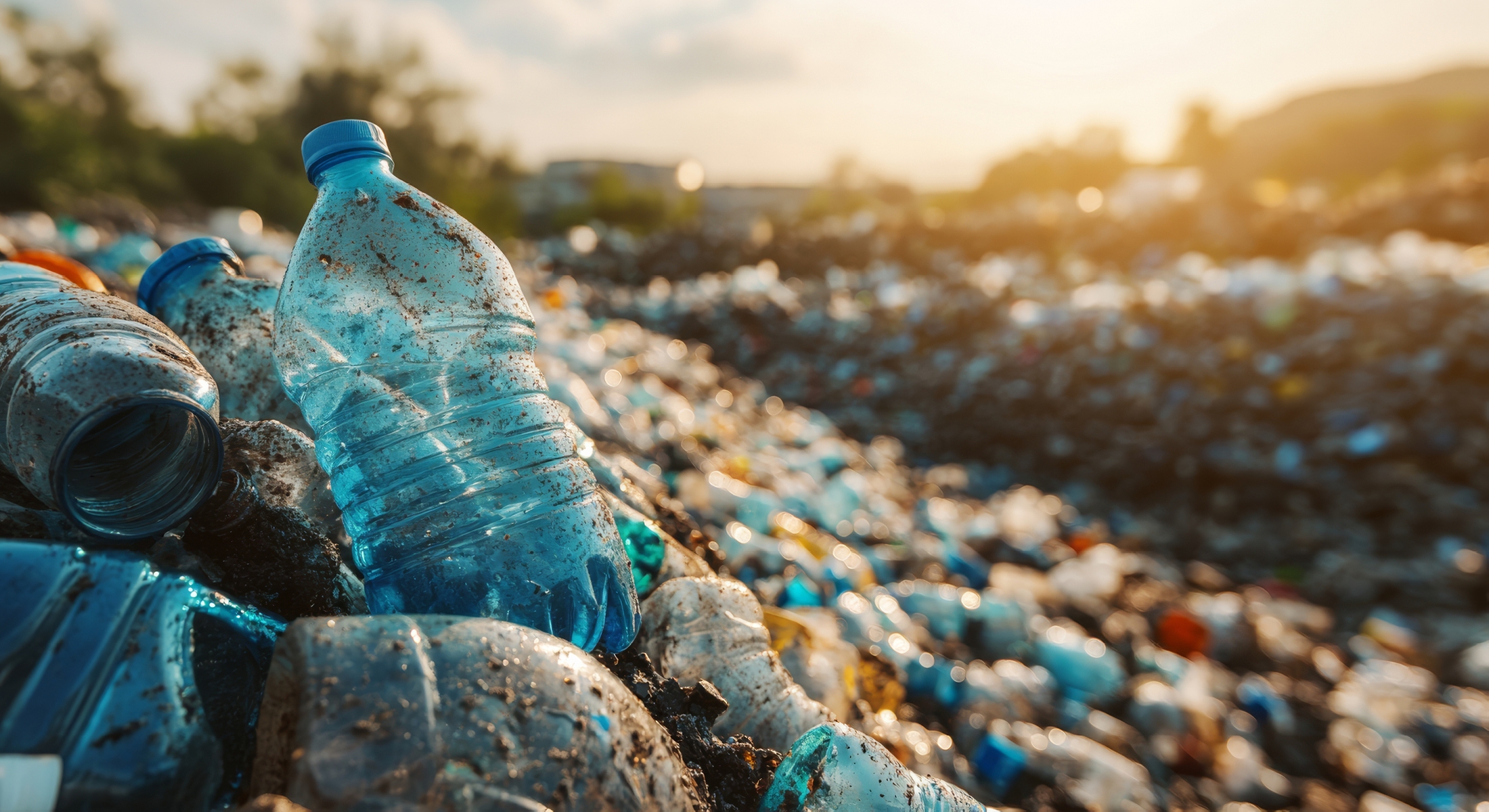
For example, here at the University of Edinburgh, colleagues Stephen Wallace and Joanna Sadler are using E. coli bacteria to turn PET plastic bottles into paracetamol, vanillin, adipic acid and more.
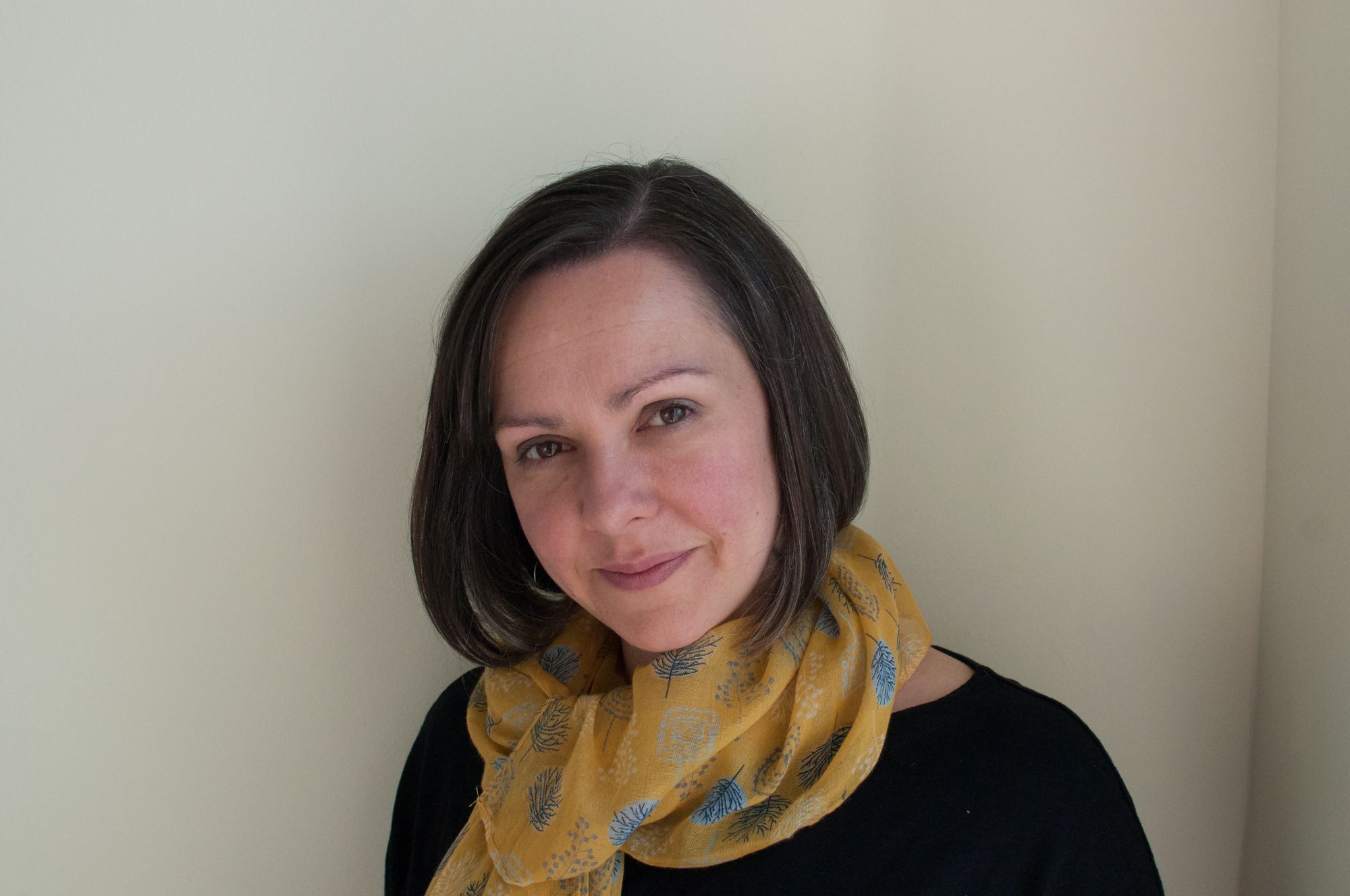
Professor Louise Horsfall
Ian Hamilton