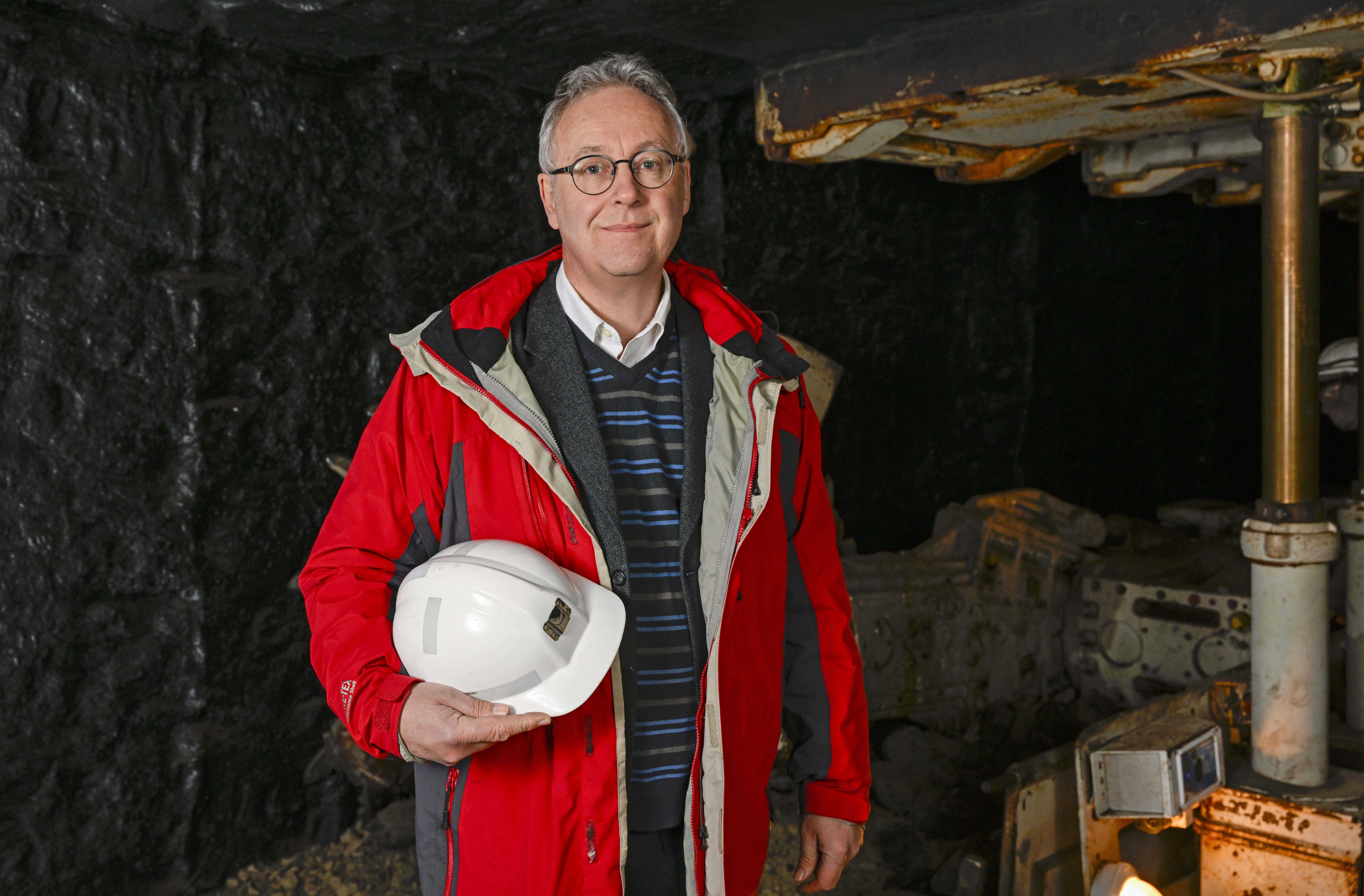
Offshore renewables innovation programme set to continue
A programme that brings academia and industry together to co-design solutions for offshore renewable energy (ORE) has been renewed for another five years.
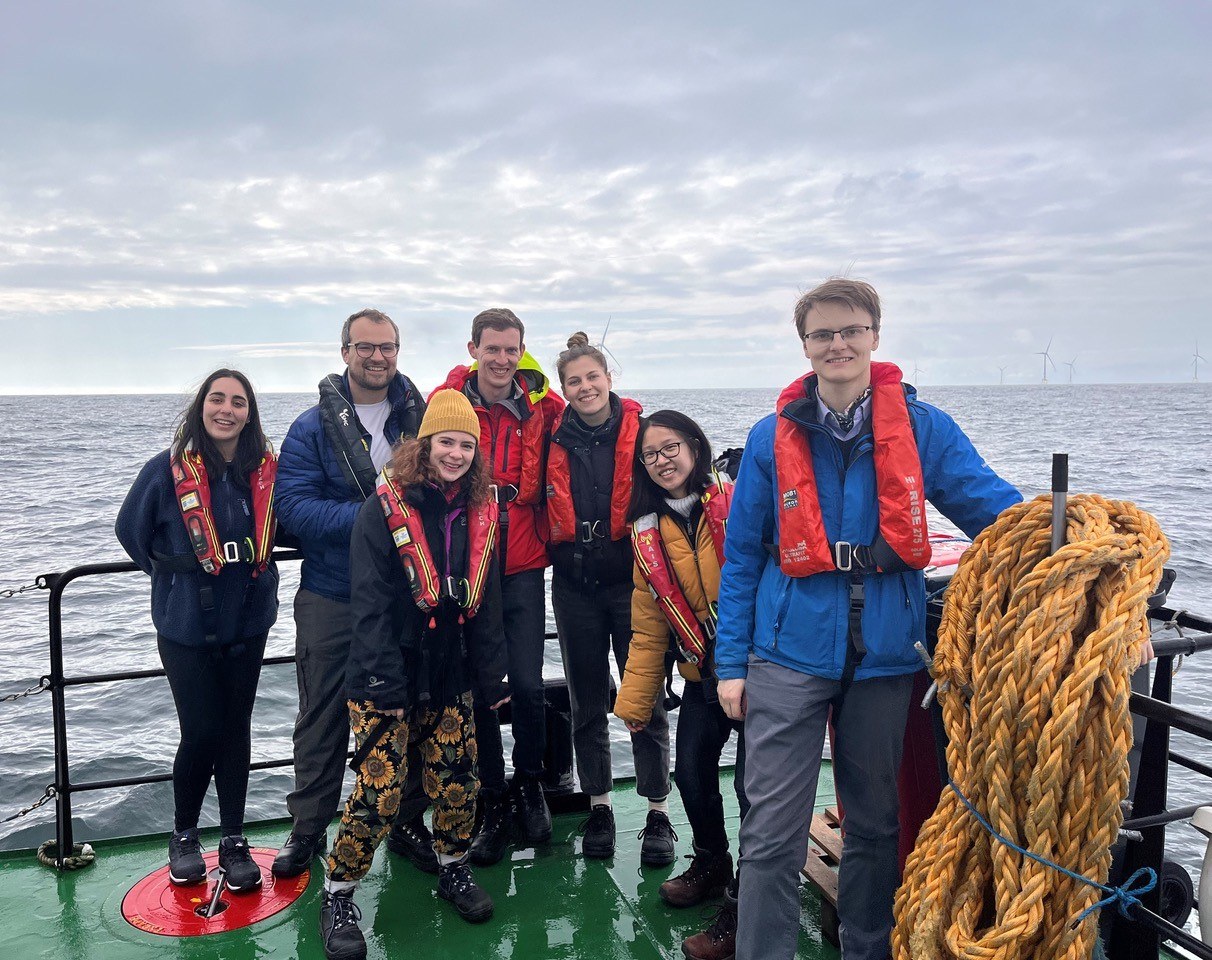
IDCORE students visiting the SeaGreen offshore wind farm - Scotland's largest, west of Arbroath
IDCORE, out of the University of Edinburgh, will receive £6m from the Engineering and Physical Sciences Research Council (EPSRC), as part of a £1bn investment announced today by Science, Innovation and Technology Secretary Michelle Donelan.
In conjunction with the universities of Exeter, Swansea and Strathclyde, IDCORE works with ORE companies from Orbital Marine to SSE to train the engineers of tomorrow, cementing offshore renewables’ place in the UK economy and contributing to net zero strategy.
The programme’s research engineers help companies improve efficiencies by, for example, studying the impact of turbulence on tidal turbine generators; figuring out how to use oil and gas infrastructure for hydrogen or finding the right vessels to maintain offshore energy installations.
All students on the engineering doctorate spend three years doing project-based research in a company, driven by the curiosity of the sponsoring company, finding solutions to a problem.
The level of impact has been remarkable – one student designed a cable routing optimisation tool that saved EDF £10 million.
In another example, engineering models of turbulence often focus on wind farms, but one student proposed alternative models for tidal energy that have influenced the design of next generation tidal installations. If you can be certain about load-bearing, you don’t need to over-design and you can reduce the cost of bearings, for example. Providing certainty is worth a huge amount of money to companies.
David Ingram
Academic Director, IDCORE, School of Engineering, University of Edinburgh
IDCORE began in Edinburgh in 2011 and is now on its third renewal, having placed 107 students in 57 companies. Around half of those students go on to employment with the same company, 80 per cent within the sector, and 100 % are employed. Every student has been sponsored by a company, ranging from SMEs to multinationals.
On top of the EPSRC funding, companies will provide £3 million in sponsorship and partner universities another £500,000.
IDCORE is an outstanding example of academia and industry coming together to give a generation of students the skills, vison and immersed experience of a career in the renewable energy sector. We are delighted that the offshore renewables sector and our future students will see many more years of benefit from this excellent engineering doctorate programme.
Ian Hatch
Head of Business Development, College of Science and Engineering, Edinburgh Innovations
As a leading energy developer in the UK, it is important to for SSE to have strong partnerships with stakeholders across the industry.
We are delighted to have a strong and flourishing relationship with the University of Edinburgh and are thrilled that the IDCORE programme has just been renewed as a leading training programme for offshore engineering doctoral students. A close collaboration between industry and academia lies at the heart of the energy transition and decarbonising the UK’s energy system at scale and pace.
Gianna Huhn
Head of Academic Partnerships, SSE
Related links

Interested in learning more?
Speak to our expert

Andrew Aveyard
Energy Lead

Andrew Aveyard bio
Andrew Aveyard
Energy Lead
Energy

With over 20 years working in Business Development and 15 years experience working in the Renewables industry for consultants, developers and a manufacturer, in onshore wind, and tidal energy.
He is currently the primary point of contact for Energy related research and commercial engagement across the University of Edinburgh. He is responsible for identifying energy research projects across The University of Edinburgh, which have commercial benefits and then working with Industry Partners to exploit the research.
These projects cover a spectrum of research including; Offshore & Onshore Wind, Wave & Tidal Energy, Nuclear Power, Solar Power, Electrical Grid and Transmission, Energy Network System Integration, Energy Storage, Hydrogen, CCUS, Data Centres, Techno-economic analysis, Energy Policy, Energy Efficiency.