
Power of Innovation
Career advancement for academic innovators
In May, the University launched a new route to career development for academics wishing to focus on commercialisation and engagement with industry.
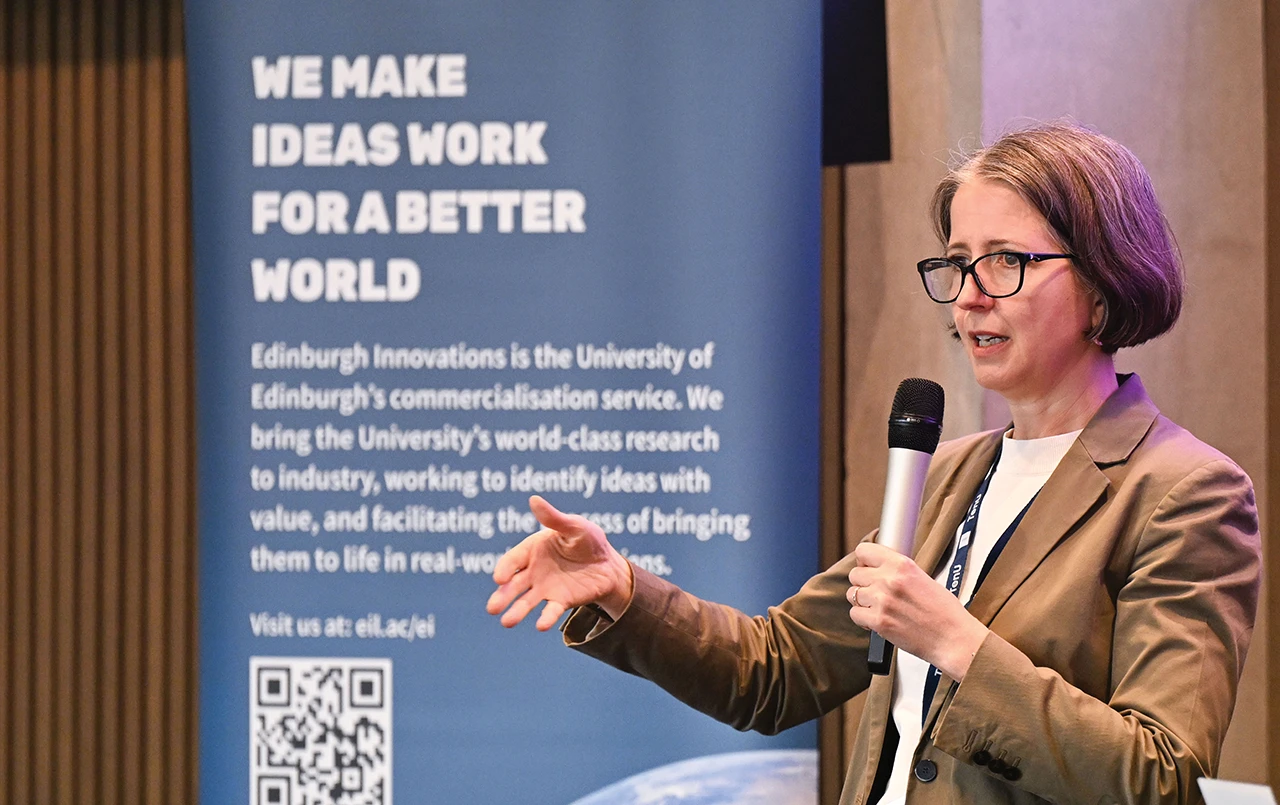
The Innovation Career Pathway includes a UK-first Competency Framework that sets out the skills, knowledge and behaviours required to support advancement.
And a new Innovation Careers Hub provides 20 learning and development opportunities, information for hiring managers and detail about Innovation Fellowships and current Fellows, who are given the time, resources, and support necessary to develop and implement groundbreaking ideas.
The University’s first Innovation Fellows are Dr Dahlia Doughty Shenton, Dr Kwabena Nuamah, Dr Lisa Golds, Dr Ian Holland (see p19 technologies RIFLE), Dr Shama Rahman, Dr Craig McDougall and Dr Daniel Tolhurst.
These Early Career Researchers are turning their groundbreaking ideas into market-ready innovations. Dr Craig McDougall is developing a localised liquid biopsy technology, which enables precision sampling of the surface of inaccessible tissues such as the lungs without leaving fluid behind, which can exacerbate illness.
This year, he has filed a patent and developed a prototype device that is under evaluation.
He said : “Working with regulatory requirements and commercialisation strategy has been eye opening. Like learning several new languages at the same time!”
Dr Lisa Golds is working with parents to develop interventions to reduce the effect that mobile phone use by parents has on the development of their infant in the critical first 1,000 days. She is prototyping digital delivery methods and has begun building a Minimum Viable Product app for testing.
Describing the Innovation Career Pathway, Professor Christina Boswell, then Vice-Principal Research and Enterprise, said: “The more our ideas get taken upthrough commercialisation and industry engagement, the more benefit we bring to society”.
Hosting and nurturing companies
The University’s innovation hub for data science and artificial intelligence, the Bayes Centre, welcomed nine new companies, including three international organisations, who will be able to access University research and expertise.
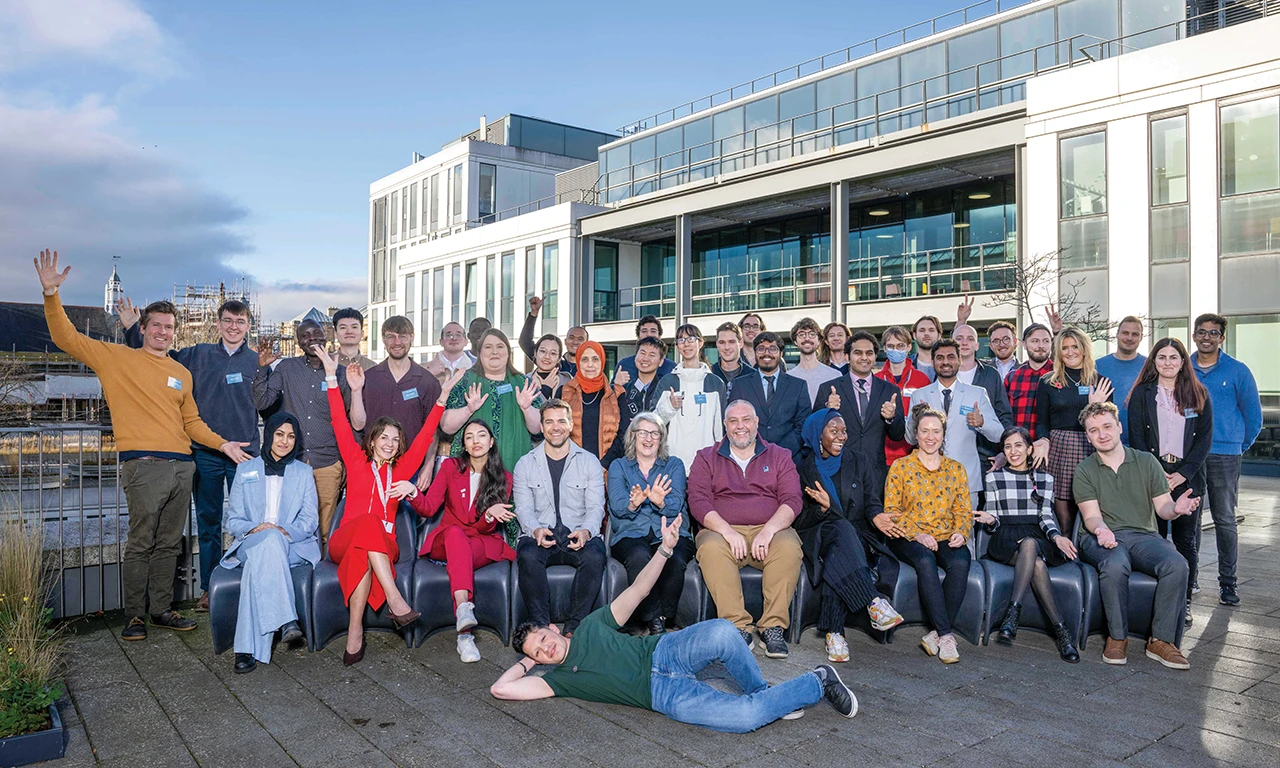
Academic/industry collaborations have used data science and AI to improve cycle routes in Edinburgh, track endangered Scottish seabirds and monitor biodiversity through birdsong.
Bayes has hosted 90 founders, startups and scaleups this year through the University’s entrepreneurial programmes and events: the Venture Builder Incubator (VBI), AI Accelerator and EIE25.
In March, VBI alumnus Greg Verghese raised £15.9m from the Department for Science, Innovation and Technology for his startup Pharos.AI, which refines oncology data to enable precision medicine.
In May, EIE partnered with the European Tech Tour Growth Deeptech 25 to showcase emerging innovation and companies from Scottish universities to investors.
Futureproofing Edinburgh
Having started to welcome students, the public, academics and even robots to its beautifully restored spaces from summer 2024, the Edinburgh Futures Institute (EFI) officially opened in April, in a ceremony led by the Chancellor of the University, Her Royal Highness The Princess Royal.
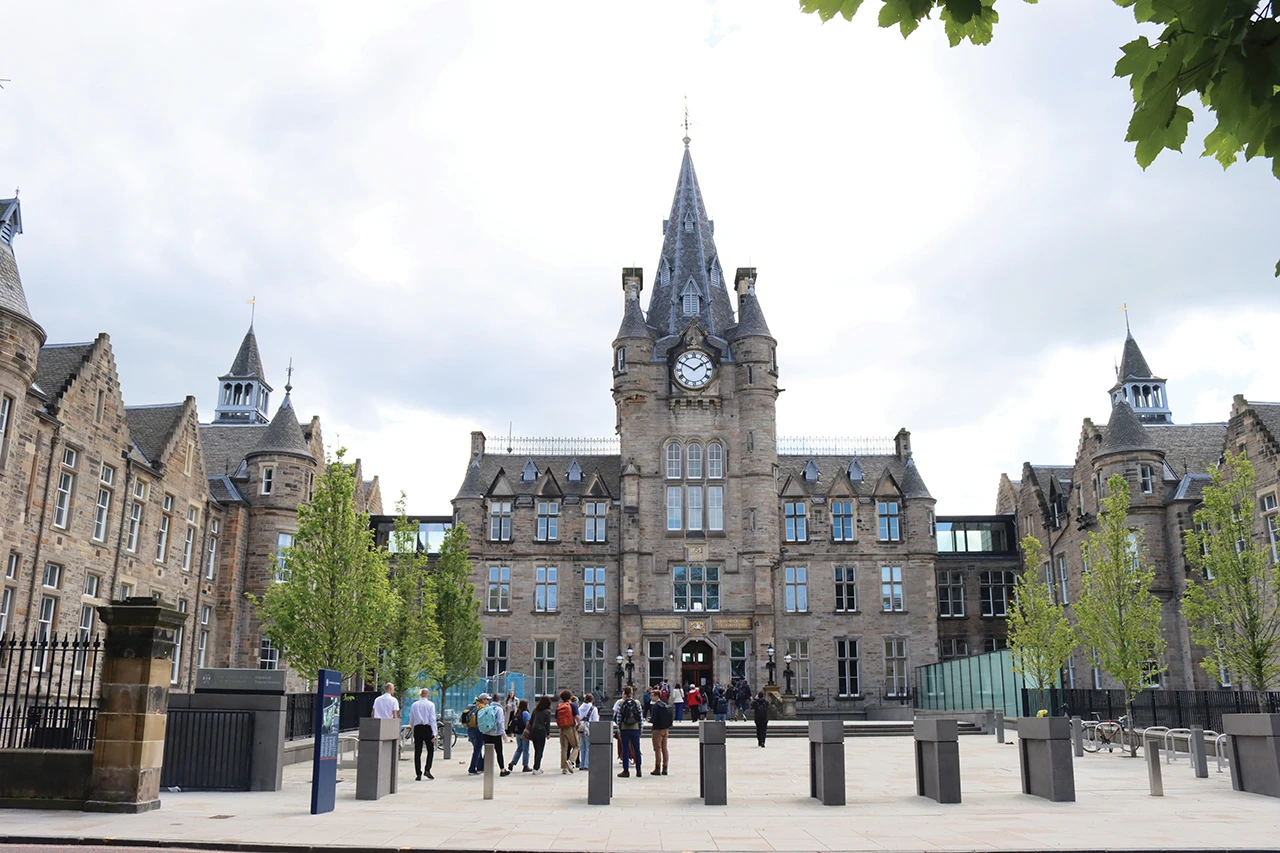
Formerly the old Royal Infirmary, this futures-focused hub for learning, research, and innovation, is designed to harness interdisciplinarity and data-driven innovation to tackle the world’s complex challenges.
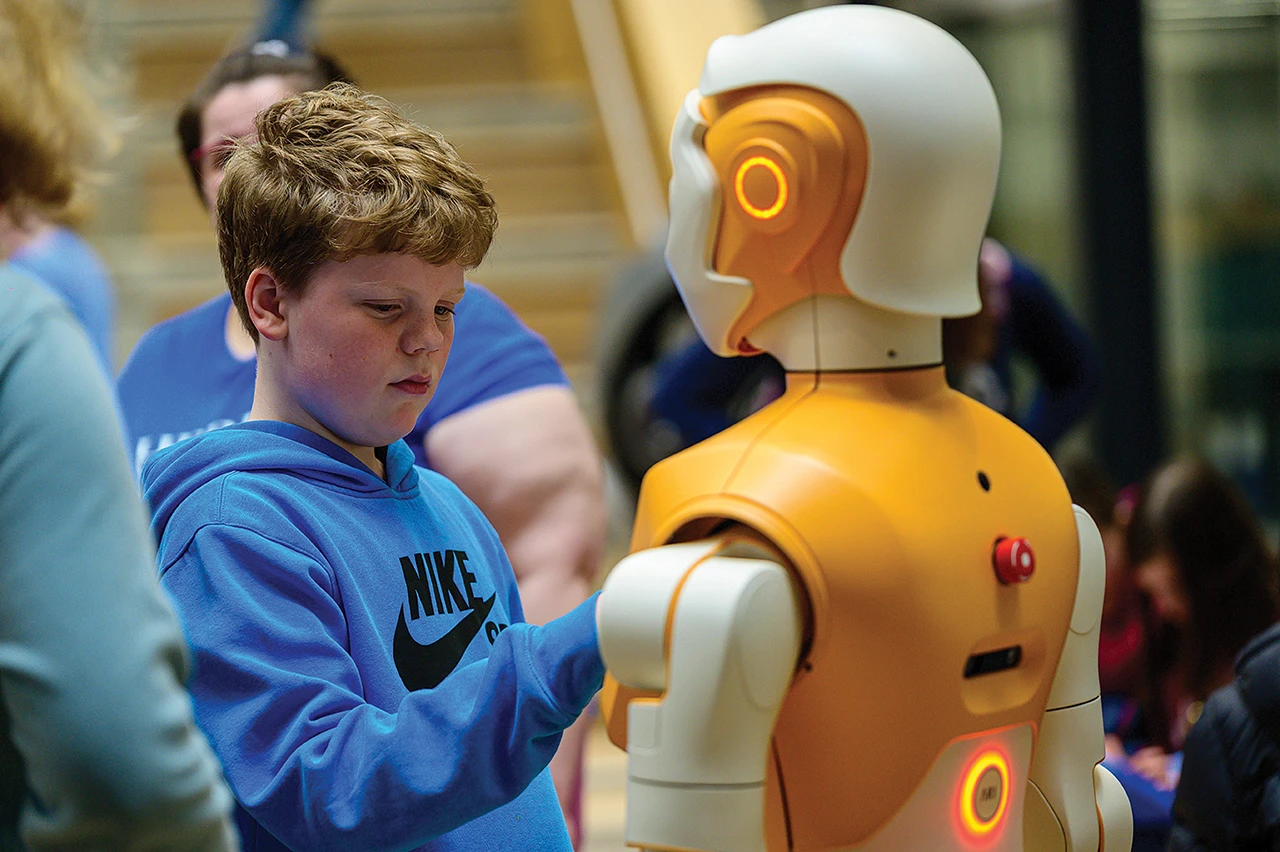
In October, as part of an event series, novelist Jeanette Winterson interviewed ‘the world’s most advanced humanoid robot’ Ameca, owned by the National Robotarium.
In January, new director, culture and technology Professor Marion Thain, was appointed.
And in May, the UKRI-funded Centre for Net Zero High Density Buildings launched, aiming to improve energy efficiency and sustainability of urban housing and commercial properties.
EFI hosts four sector-specific Innovation Clusters led by Edinburgh Innovations: creative, public sector, travel and tourism and fintech and financial services.
The Scottish Prevention Hub, launched in 2023, is a partnership between the University, Public Health Scotland and Police Scotland that is fostering systemwide partnerships, leveraging data insights, and building capacity for collaborative working, aiming to significantly improve the health, wellbeing, and life chances of people across Scotland.
The Compassion in Financial Services Hub launched in February, partnering with Young Scot to reimagine and redesign financial products and services for young people. The Hub aims to develop a more inclusive, sustainable, and compassionate financial system.
A report by Dealroom in May showed the UK is the third largest traveltech investment destination globally, behind only the USA and Canada, with Edinburgh as a key centre.
And in June, the fourth CreativeTech Scotland Gathering brought together over 140 creative tech and data-driven innovation practitioners to share and explore developments in creative technology.
Supercomputing for public benefit
In July, EPCC, which operates the Edinburgh International Data Facility (EIDF), was designated the UK’s first National Supercomputing Centre by UK Government in recognition of 35 years of contribution to UK science and innovation.
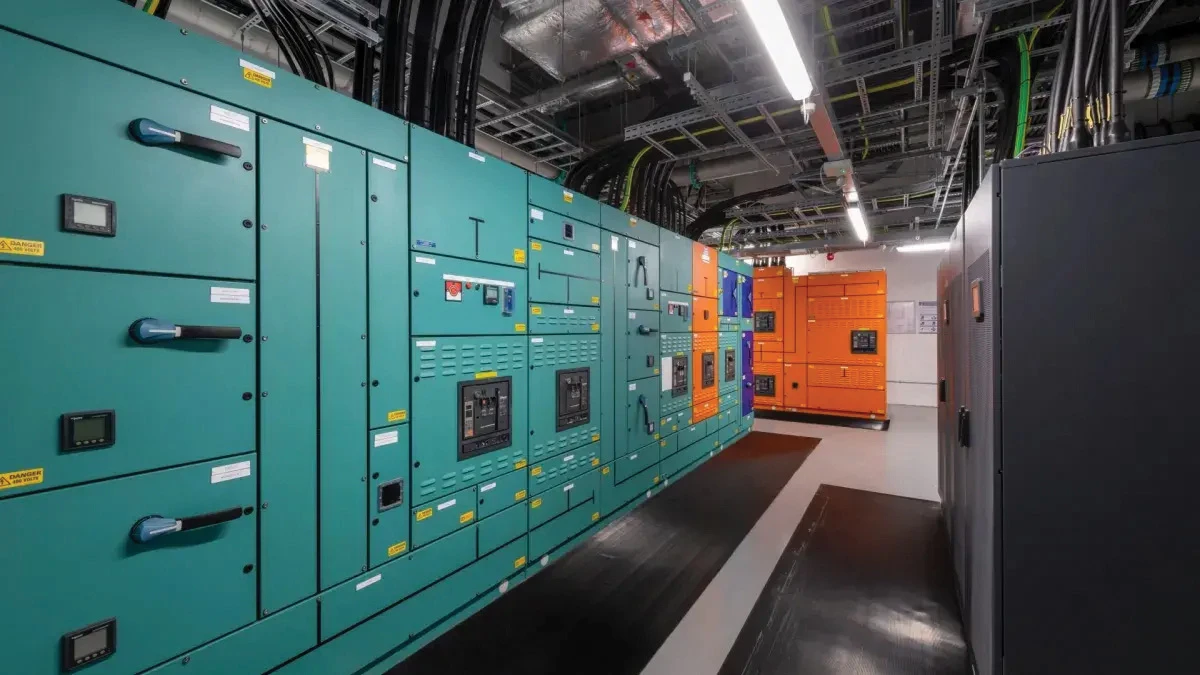
The next UK National Supercomputing Service will be launched in 2027 at EPCC’s Advanced Computing Facility.
EPCC runs highly secure Safe Haven services for working with sensitive data, such as medical or financial records. This year, these services underpinned seven projects designed to improve health delivery in Scotland, including understanding risk factors for perinatal self-harm and assessing whether melanoma is being overdiagnosed.
And in an Internet of Things project, researchers worked with pupils from six South East Scotland local authorities, using real environmental data from their own schools to monitor air quality, track energy usage, and investigate climate patterns.
Ushering in a new era of data-driven health innovation
In a ceremony led by Dr Tedros Adhanom Ghebreyesus, Director General of the World Health Organisation, the Usher Building officially opened at Edinburgh BioQuarter in June.
![Usher-Building-ext-022_[©Hufton+Crow].webp](https://ei-test.everyone-do4.com/storage/V5GNWwvNg11V3SgLLJKUWPLDxrwE6m9RAC0yaRGb.webp)
Leveraging the colocation of the NHS – clinical staff and patients at Edinburgh Royal Infirmary – with University teaching and research at BioQuarter, the Usher Building is home to the Usher Institute and partners – working with people, populations and data to understand and advance the health of individuals and populations through innovative collaborations, under the direction of Professor Cathie Sudlow.
It is home to DataLoch – part of the Scottish Safe Haven Network, and developed in partnership by the University of Edinburgh and NHS Lothian – which supports the responsible and secure use of data in South East Scotland to improve health and social care.
Through close collaboration with NHS Lothian, the DataLoch team has improved the data underlying the Cyrenians InReach service that supports individuals at risk of homelessness and has achieved a 68% reduction in re-admissions to hospital. By allowing address data to be updated more accurately and reliably every month – which hadn’t been possible previously – the latest information about emergency accommodation location allows Cyrenians to better prioritise where they focus their efforts.
Kathy Harrison (pictured below), Programme Lead for DataLoch, won the Digital Leader Award at the 2025 Holyrood Connect Digital Health and Care Awards in February.
This year, the Advanced Care Research Centre (ACRC) has appointed three Fellows to continue the ACRC mission to enhance the quality and sustainability of care for individuals with multiple conditions in later life.
Elsewhere at BioQuarter, centres such as the Anne Rowling Regenerative Neurology Clinic, the Baillie Gifford Pandemic Science Hub and the LifeArc Centre for Respiratory Diseases leverage the data science and healthcare expertise of the University and apply it to clinical practice.
Data scientists and clinical researchers have worked with high street opticians for the first time to predict a person’s risk of dementia from a routine eye test.
Since June, the UK’s second total body PET scanner has been available at BioQuarter to industry and researchers to support healthcare improvements.
Using smart data to uncover hidden poverty
Amidst the UK’s cost-of-living crisis, East Renfrewshire Council recognised the need for clearer, more timely insight into the financial wellbeing of its residents.
Traditional data sources, such as Department of Work and Pensions data, while useful, often lag behind real-world changes and do not always capture the full picture. They can also miss individuals who don’t meet the benefits threshold but may still be experiencing financial challenges.
To address this, East Renfrewshire Council partnered with University subsidiary Smart Data Foundry to harness new forms of financial data. Levering the University’s partnership with NatWest Group, Smart Data Foundry developed the Economic Wellbeing Explorer, powered by a weekly feed of anonymised transactions from current account users in East Renfrewshire.
The tool brings together key financial wellbeing indicators – such as income band and source, emergency resilience, and overdrawn accounts – with contextual local data, including school attainment, and council-provided data such as requests for financial advice and receipt of free school meals.
A council spokesperson said: “The Economic Wellbeing Explorer has influenced decision-making around how and where we deliver supports, such as the Thrive Under 5 project. As the dashboard highlighted widespread need, we took the decision to open this project to families from any part of the authority and not just limit it to the most deprived areas. This has meant families who might not previously have been known to us have been supported by the project. We will continue to use the Economic Wellbeing Explorer to monitor changes by area, age, or income level over time.”
The Smart Data Foundry is now working with policy makers to roll out the approach across Great Britain.
Pushing the boundaries of electronics
Professor Themis Prodromakis, Regius Chair of Engineering and RAEng Chair in Emerging Technologies, is a pioneer in semiconductor research. He has invented memristor technologies that allow the colocation of memory and processing power, paving the way for a new generation of faster and more energy-efficient AI hardware.
![AdobeStock_682780818[Eli Berr].webp](https://ei-test.everyone-do4.com/storage/0f20BTdOC9Svlj6LGptge2wB8fMWD3rcis0Xhdhz.webp)
He is the Director of the University’s Centre for Electronics Frontiers, which brings together expertise in materials science, devices and systems to build and test advanced nano-electronics. The Centre generates intellectual property through the Edinburgh Venture Builder for AI Hardware (EVA).
Professor Prodromakis is also the founder and Director of the APRIL AI Hub, which is developing and bringing to market AI-based tools for the electronics industry supply chain.
Safe gen-AI solutions
This year, the University’s Generative AI Laboratory (GAIL), recruited more than 70 Fellows from across all three Colleges of the University, underscoring its multidisciplinary approach to innovation.
In partnership with the GAIL Fellows, four seminars, four workshops and one showcase were hosted in the Edinburgh Futures Institute, bringing together leading minds from academia and industry to share cutting-edge insights into areas of generative AI such as watermarking, modelling for extreme events and energy efficiency.
GAIL participated in the University’s AI Showcase in May, which gave donors and alumni, policy makers and industry leaders based in London the chance to learn more about the University’s AI expertise and offering.
