
Power of Innovation
Cancer drug candidate in trials
A Phase 1A clinical trial of a drug candidate for hard-totreat cancers, discovered at the University of Edinburgh and licensed by US biopharmaceutical company Nuvectis Pharma, Inc., came to a successful conclusion, triggering the start of Phase 1B.
![AdobeStock_576974576[Malik E]_edit.webp](https://ei-test.everyone-do4.com/storage/BsZ2M0pcmIBv5o1ZpCfTl4roBj2pMfQOY1LOrbvG.webp)
The novel compound, NXP900, employs a novel mechanism of action to inhibit the activity of SRC family kinases (a particular group of enzymatic proteins), in particular YES1 and SRC. An association between the SRC family of kinases (SFKs) and cancer growth has been known for several decades but previous attempts at treating solid tumours using this mechanism have met with little success.
The Phase 1A study proved the safety, tolerability and pharmacokinetic properties of NXP900 in patients with advanced solid tumours. Phase 1B will be conducted throughout 2026.
Ron Bentsur, Chairman and Chief Executive Officer of Nuvectis said: “We are very excited to announce the initiation of the NXP900 Phase 1B programme, starting with the single agent segment. We believe that NXP900 represents a unique ‘pipeline in a pill’ opportunity with the potential to address several substantial areas of unmet medical need in oncology.”
The drug discovery programme was led by Professors Neil Carragher and Asier UncitiBroceta at Edinburgh Cancer Research within the University of Edinburgh’s Institute of Genetics and Cancer, involving more than ten years of research.
Nuvectis licensed rights to NXP900 in September 2021 in a deal facilitated by Edinburgh Innovations, and the clinical trials began in September 2023.
Speaking at the start of the trial, Professor Neil Carragher said:
“This is the news we have been waiting for, as NXP900 makes the all-important transition from the lab into a clinical setting.
“This is a great step towards a medicine that could treat some of the toughest cancers and extend the lives of many thousands of people.” Professor Unciti-Broceta said:
“To know a drug discovered and developed preclinically in our lab is now to be given to patients is extremely rewarding – it is the realisation of years of work, collaboration and ambition.”
132
inventions disclosed

62
62 licences entered into
172
patent applications filed
Gene-edited pigs approved for US market
Pigs produced to be resistant to one of the world’s most costly livestock diseases, using technology developed by the Roslin Institute, at the Easter Bush Agritech Hub, were approved for sale to US consumers.
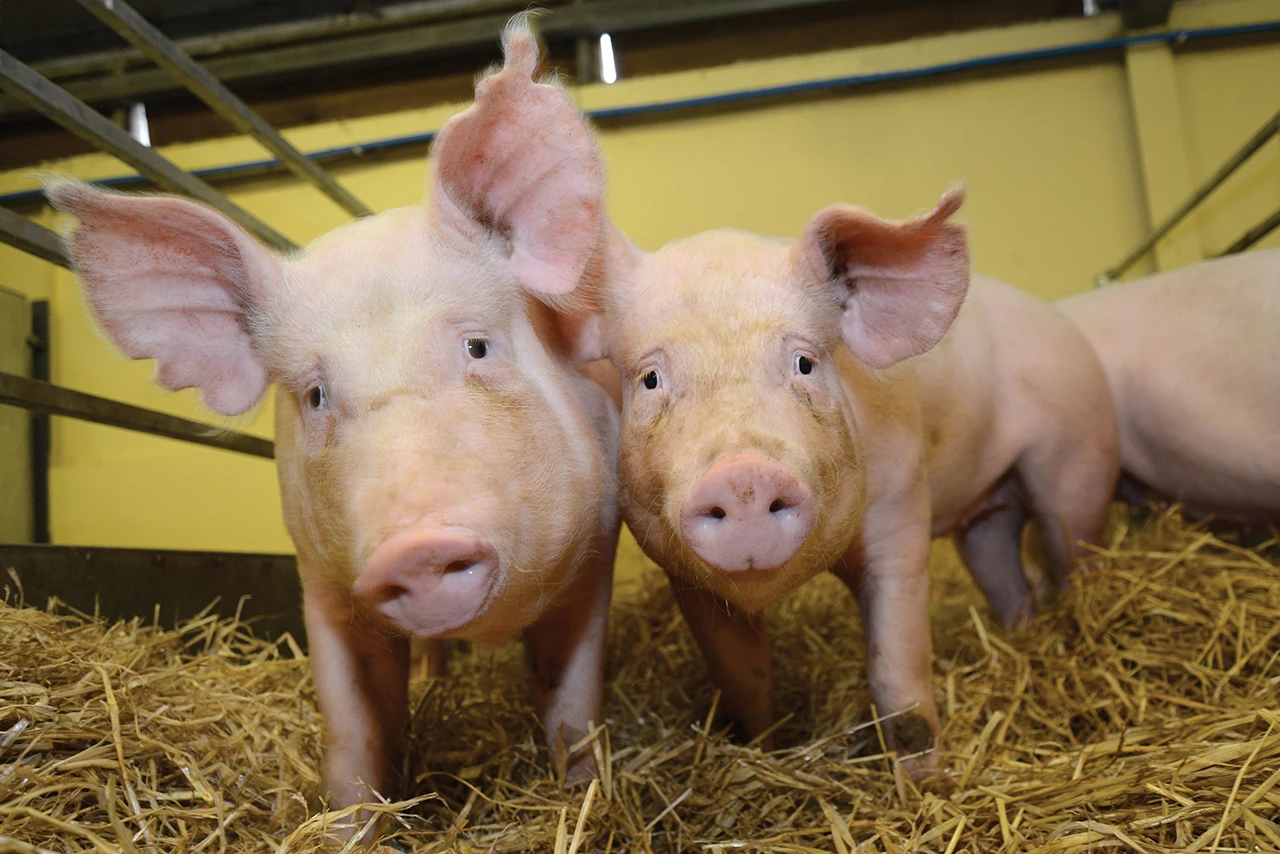
In May, the US Food and Drug Administration (FDA) approved the use of a gene-editing technology that makes pigs resistant to Porcine Reproductive and Respiratory Syndrome (PRRS) for the US food supply chain.
This landmark approval for animal genetics company Genus, following years of development, helps meet the challenge of a disease that is endemic to most pig-producing regions.
The infection, which causes fever, respiratory distress, and premature births, costs industry approximately $2.5bn (£1.75bn) each year in lost revenue in the US and Europe alone.
Researchers at the University of Edinburgh’s Roslin Institute focused their efforts on the CD163 gene in pigs. This gene produces a receptor on the surface of cells, which the PRRS virus uses to cause infection.
Experts removed a small section of this gene, focusing on the section of the receptor that the virus attaches to, leaving the rest of the molecule intact.
Supported by Edinburgh Innovations, the team collaborated with Genus, who also licensed novel technologies from other institutions, to produce pigs with the specific DNA change.
The resulting pigs do not become infected with the virus, and the animals show no signs that the change in their DNA has had any other impact on their health or wellbeing.
Gene-edited animals are currently not allowed to be sold in the UK.
Lab-grown fat cells a ‘gamechanger’ for cultivated meat
A source of fat cells from pigs was developed at the Roslin Institute, at the Easter Bush Agritech Hub, offering scientists and food manufacturers a promising tool for the large-scale production of cultivated meat without the need for genetic modification.
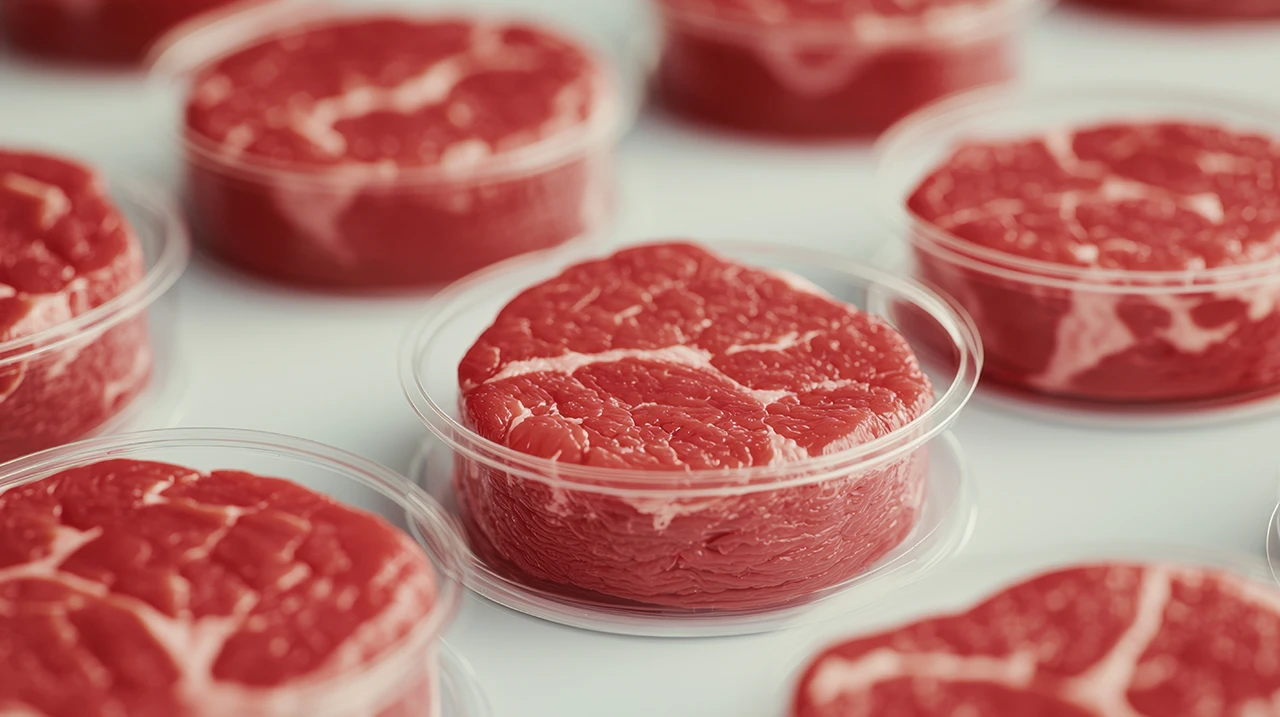
Researchers Dr Tom Thrower and Professor Xavier Donadeu showed the novel cell line was capable of efficiently producing fat tissue with remarkable consistency.
The development could address the challenge of generating realistic, sustainable animal fat, a significant hurdle in the cultivated meat industry.
The cells, known as FaTTy, are formed from early-stage stem cells which develop into fat, and can grow indefinitely in the lab without losing the ability to reliably produce fat cells.
The cell line is being shared with industry, via Edinburgh Innovations, to support further developments in the cultivated meat industry.
Spinout Concinnity Genetics to transform gene therapy safety
Biotech company Concinnity Genetics span out of the University this year, raising £3m for its AI-powered, novel, gene control systems.
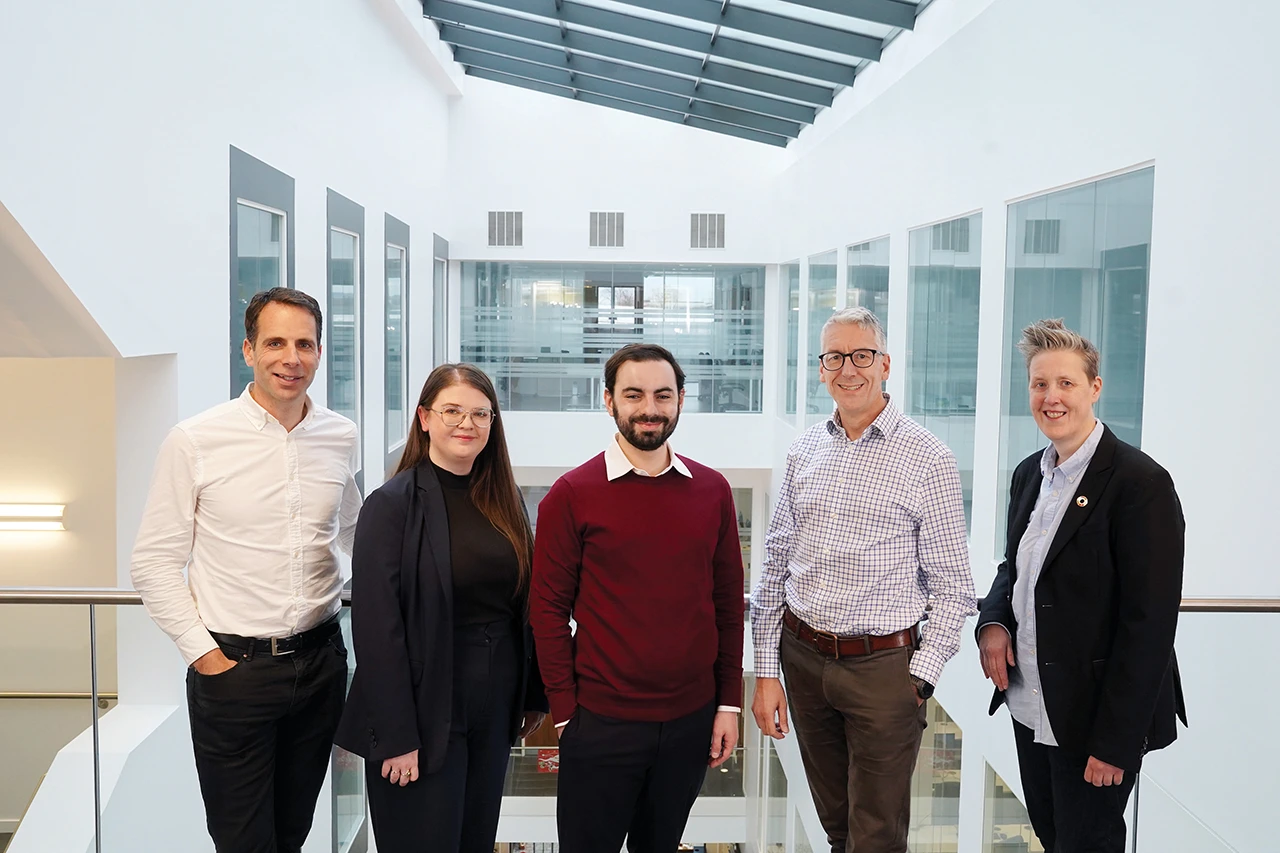
Co-founded by bioengineers CEO Jessica Birt and CSO Dr Matthew Dale, both from Professor Susan Rosser’s UK Centre for Mammalian Synthetic Biology, Concinnity’s RNA-based systems enable the precise control of gene therapies even after dosing, conveying the ability to respond to and reduce their own side effects as well as improve the efficacy of these innovative treatments.
Gene therapies have the potential to revolutionise healthcare by treating or even curing a variety of intractable diseases, but they need to be delivered precisely into the body to avoid side effects.
The investment was led by Eos Advisory with participation from Scottish Enterprise, Old College Capital and Maven Capital Partners.
The seed funding is being used for three new programmes to target key applications within the cell and gene therapy market, as well as to develop Concinnity’s existing control systems with the aim of obtaining critical data to initiate partnerships with customers.
Twice winners at Scotland’s innovation competition Converge, Ms Birt and Dr Dale were supported to form the company by Edinburgh Innovations and benefitted from two years as part of Scottish Enterprise’s High Growth Spinout Programme.
New flexible sensor can improve compression therapy
Edinburgh scientists have developed a low-cost, flexible device that can help prevent blood clots for patients after an operation.
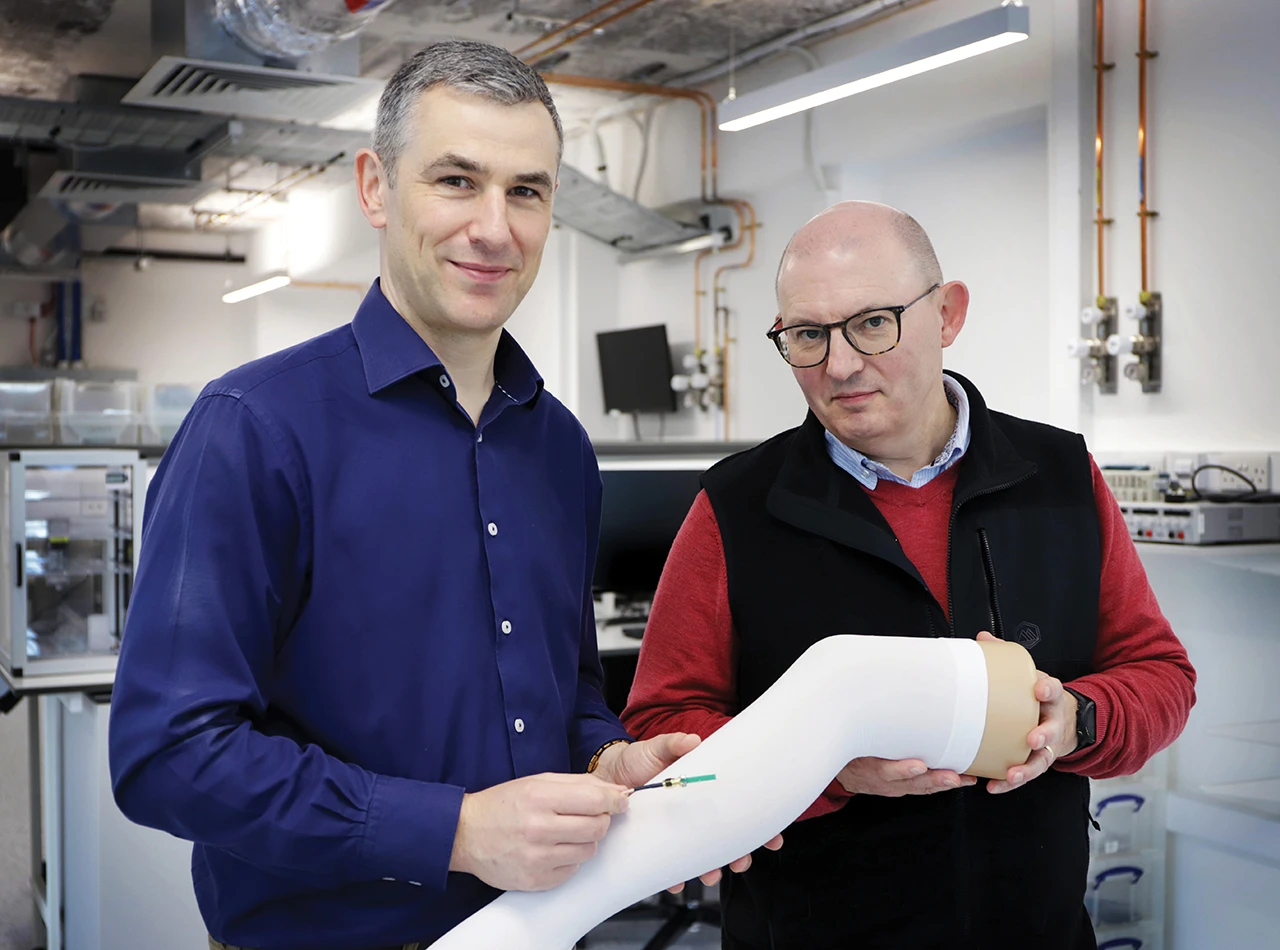
Their polymer-based sensor fits underneath bandages and compression stockings like a sticking plaster, and a handheld reader measures whether the bandage is exerting the correct pressure on the body.
The sensor, invented by Dr Philip Hands of the University of Edinburgh alongside Professor Marc Desmulliez and Drs Vasileios Mitrakos and Lisa Macintyre of Heriot-Watt University, is wireless, thinner, more sensitive and more flexible than similar devices, so it doesn’t distort the compression garment as it measures the pressure.
The team received Scottish Enterprise High Growth Spinout funding, as they move towards forming a company, supported by Edinburgh Innovations.
Other funders so far include Innovate UK’s ICURe programme and the EPSRC Impact Acceleration Accounts at the University of Edinburgh and Heriot-Watt University.
Spinout Singular Photonics launches with novel image sensors
Spun out of the School of Engineering, Singular Photonics launched in January with a new generation of image sensors for use in multiple sectors, including medical imaging, scientific instrumentation and quantum.
![AdobeStock_1193456772[Timeless Touch].webp](https://ei-test.everyone-do4.com/storage/4qaRzBkjHgj1BaOVgYe9n6N7YLv8j07N0UPfIuTx.webp)
Singular Photonics’ novel technology adds complex layers of computation beneath 3D-stacked single photon avalanche diodes (SPAD) sensors to reveal previously invisible details of the material world.
Accurate photon detection and fast data processing is not only crucial in fields such as medical imaging, environmental sensing and scientific instrumentation, it will also bring societal benefits, including real-time cancer diagnosis, and discovery of new materials to advance quantum applications.
The company was co-founded by SPAD sensor pioneer Professor Robert Henderson, Dr Aravind Venugopalan, Dr Neil Finlayson and Shahida Imani, Chief Executive Officer, with support from Edinburgh Innovations and investment from Old College Capital.
In June, they announced a strategic partnership with AMS Technologies, Europe’s leading distributor and solution provider for optical technologies.
Advance in human tissue creation for drug development
Innovation Fellow Dr Ian Holland is developing human tissues for use in lab research.
RIFLE technology.webp
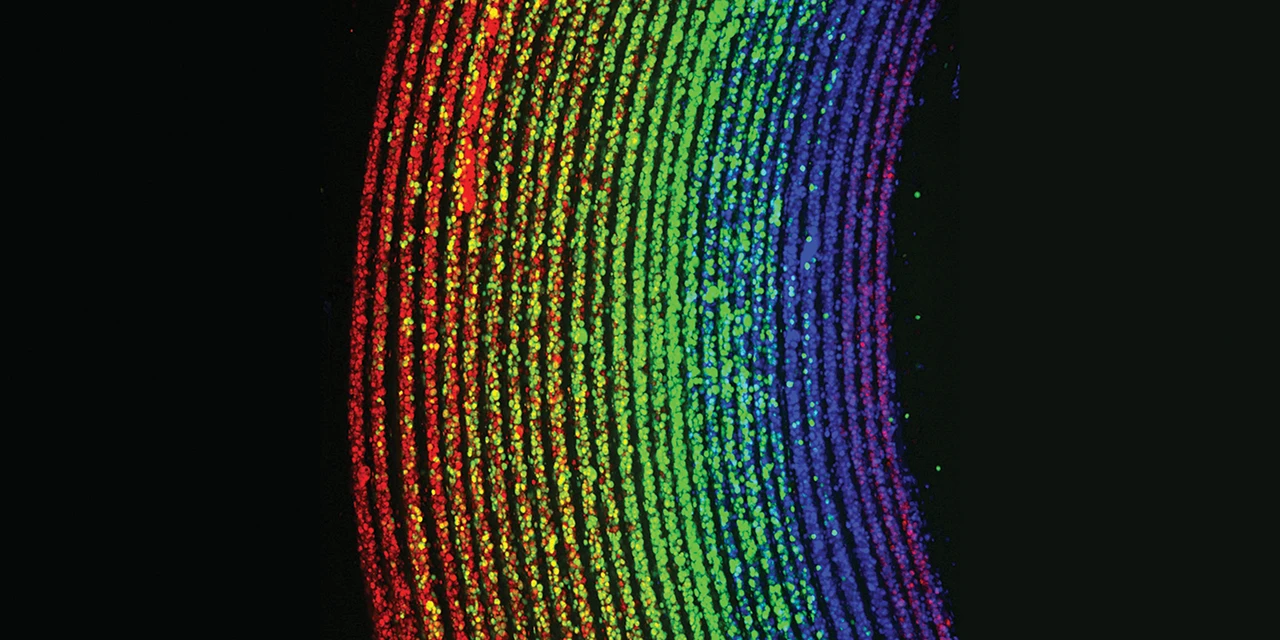
Made from ultra-thin layers of human cells that more accurately mimic complex human tissues such as blood vessels, his RIFLE technology (rotational internal flow layer engineering) will help replace the use of animals in drug development.
The layered, tubular tissue can be used for testing and developing drugs in the early stages, instead of using animals, providing clear ethical benefits whilst reducing project failure rates with human specific data.
The team at Edinburgh Innovations helped patent the technology, which was developed with scientists at the University of Strathclyde, and supported by EU Horizon 2020, EPSRC, BBSRC and Wellcome Trust iTPA funding.
In the last year, Dr Holland has received further funding from EPSRC and from British Heart Foundation, and has been working with subject matter experts in renal, vascular and tracheal fields to further develop the expertise in his own team.
He has demonstrated human tissue models in these three areas and, supported by Edinburgh Innovations, is working on delivering product prototypes for further testing.
